In an era of hyper-connected machines, keeping your operational assets isolated from threat networks is crucial. Baron MentorX hardens edge gateways, structures secure VLAN configurations, and designs incident playbooks.
From auditing system vulnerabilities in hardware nodes to deploying real-time anomaly detection scripts across database networks, we ensure that both your physical machinery and software APIs remain secure against intrusion. We deploy active network analyzers, implement hardware-level security layers, and configure firewalls that continuously screen for anomalous communication patterns.
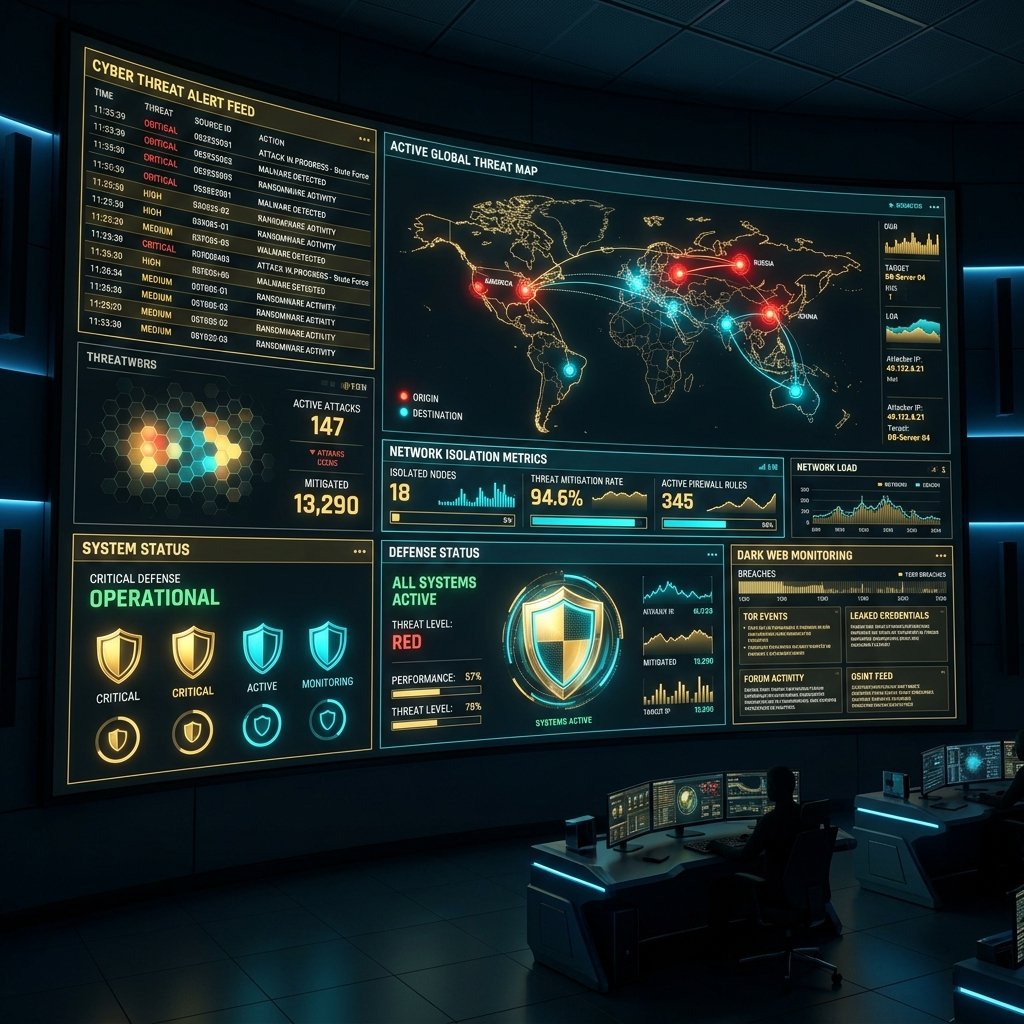
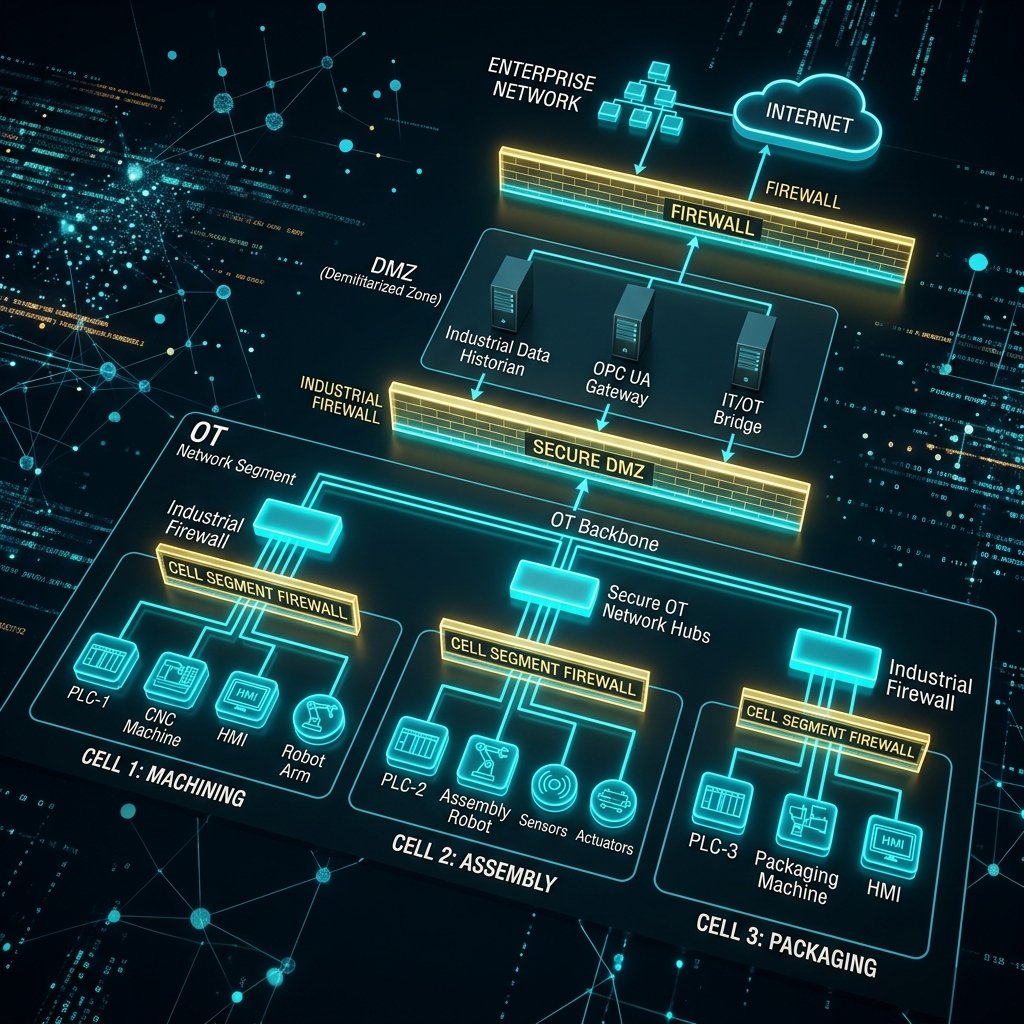
Enterprise security is built on layered controls. We assess, segment, encrypt, and prepare incident playbooks to secure your hardware and databases.
Running deep penetration scans across firmware interfaces, web APIs, and database ports to mapping operational network vulnerabilities.
Configuring strict VLAN segregation and DMZ firewalls to isolate sensitive OT PLC systems from standard internet-connected IT segments.
Implementing mutual TLS, hardware tokens, and rotating key exchanges to ensure only verified devices can request access to API gateways.
Drafting automated response playbooks, testing recovery speeds, and running simulated red-team attacks to check team preparedness.
We build defense-in-depth security architectures to shield databases, machine automation, and APIs from sophisticated threats.
Dividing critical Blowout Preventer (BOP) networks and physical machinery loops (IEC 62443) from IT segments, eliminating threat vectors.
Applying hardware security module (HSM) keys and AES-256 protocols to encrypt data streams from edge nodes to database clusters.
Configuring intrusion warning rules that automatically isolate compromised subnet segments before database lateral spread can occur.
Mapping system configurations against SOC 2 Type II, ISO/IEC 27001, and NIST standards, compiling documentation for formal third-party audits.
Conducting live black-box and white-box API assessments, database query injection drills, and scanning edge systems for vulnerabilities.
Setting up write-once-read-many (WORM) database configurations, ensuring ransomware cannot destroy system restore points.
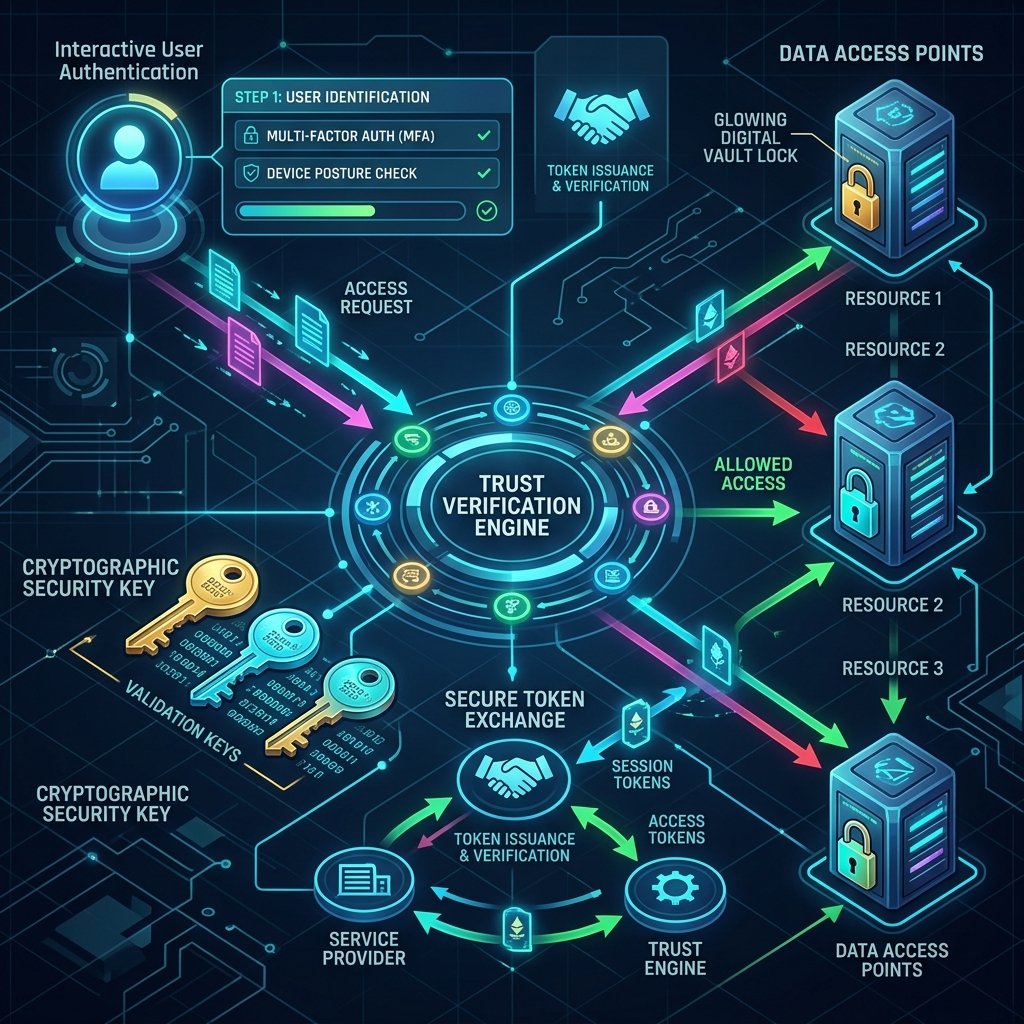
Never trust, always verify. We build network controls that mandate cryptographic validation for every query and data packet.
Our Zero Trust systems enforce mutual TLS (mTLS) for machine-to-machine integrations, verifying identity at both ends of a communication socket. By leveraging ephemeral tokenization layers and short-lived session authorization, we eliminate static credential vulnerabilities.
Furthermore, we implement centralized KMS (Key Management Services) architectures integrated with Hardware Security Modules (HSMs). This automates cryptographic key rotation, restricts lateral movement across networks, and provides mathematical verification logs for compliance reviews.
Connect with our senior cybersecurity engineers to run a detailed risk assessment and pentesting operation.
Request Risk Assessment